Crane Operator Training
Operating a crane requires more than just strength and coordination—it demands precision, safety awareness, and professional skill. At Western Heavy Machinery Training Center, we provide comprehensive Crane Operator Training that equips students with the technical expertise and hands-on experience needed to operate different types of cranes confidently and safely in the modern construction and industrial sectors. Our goal is to produce competent operators who meet both national and international industry standards.
Understanding Crane Operation
Cranes are essential equipment in construction, mining, logistics, and transportation industries. They lift and move heavy materials that cannot be handled manually, making them vital for the smooth running of large-scale operations. However, operating a crane is not as simple as moving levers or pushing buttons—it involves understanding load charts, rigging techniques, safety protocols, and the mechanical systems that control the crane.
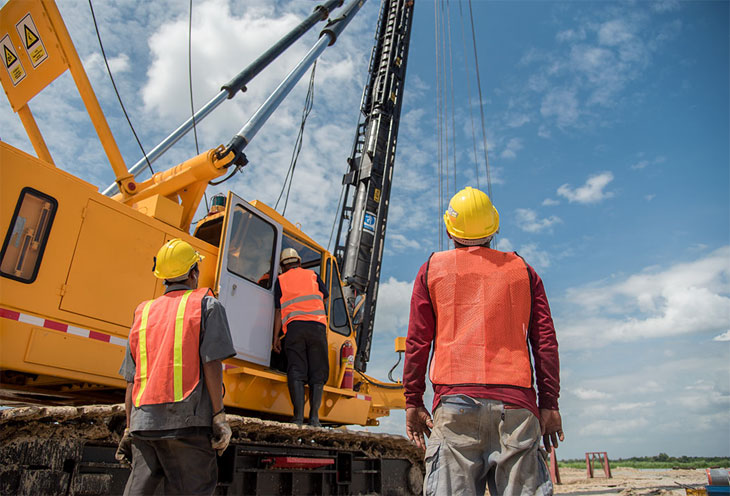
At Western Heavy Machinery Training Center, students are introduced to all the key aspects of crane operation. We teach both the theoretical and practical elements, ensuring every trainee fully understands how cranes work and how to operate them under different conditions. From mobile cranes and tower cranes to overhead and crawler cranes, our program covers a broad range of machines to prepare students for real-world job environments.
Course Structure and Content
The Crane Operator Training Course is structured to ensure a perfect balance between theory and practice. In the classroom, trainees learn about crane components, functions, load dynamics, safety regulations, and maintenance procedures. The theoretical lessons emphasize workplace safety and highlight how to prevent accidents caused by human error or mechanical faults.
In the practical sessions, students operate actual cranes under the close supervision of experienced instructors. This real-world practice builds confidence and helps trainees develop the coordination, precision, and problem-solving skills needed on a busy worksite. Some of the key topics covered include:
Introduction to different crane types and their applications
Pre-operational inspections and maintenance
Understanding load charts and weight distribution
Rigging and signaling methods
Safety protocols and emergency procedures
Basic hydraulic and mechanical systems
Communication and teamwork on site